Formation in Faith and Truth
Merciful Love Ministries provides a series of formation seminars in the areas of spirituality, morality & ethics. All instruction — which is open to Catholics and non-Catholics alike, will be presented based on Magisterial Teaching according to the Catholic Faith and the USCCB’s ethical and religious directives.
Merciful Love does not provide individualized medical, legal or mental health advice. All seminars are intended to provide generalized education and conscience formation for the faithful in the areas delivered.
Spirituality

Teachings are compiled from the writings of renowned spiritual masters and mystics such as St Teresa of Avila, St Therese of Lisieux, St Maria Faustina Kowalska, St Margaret Mary Alacoque, St Francis De Sales, St Catherine of Siena, St Jose Maria Escrivá, St. Pope John Paul II, etc.
Topics incorporated in the seminars on spirituality include:
- Prayer -stages and challenges – The Interior Castle
- Universal call to Holiness
- Discerning and understanding one’s vocation
- Living and growing in Virtue & Grace
- Mary –the model disciple, bride, mother
- Following Therese’s ‘Little Way’ of Perfect Love
- Obstacles and blockages to grace and spiritual maturity
- Receiving and extending mercy and forgiveness
- Connection between inner wounds and the spiritual life
- Grief: differentiating between normal grieving process vs pathology
- Formation of the Heart and the essential elements
- Intimate heart to heart encounter with the Person of Jesus Christ
- The mystery of Redemptive Suffering
- Spiritual Adoption; who is it for and how to live it
Morality & Ethics

Teachings will incorporate principles and dogmas of faith outlined in the Catechism of the Catholic Church, Magisterial documents (papal encyclicals, statements from the Congregation for the doctrine of the faith, etc) and from the USCCB’s newest edition of Ethical and Religious Directives. Emphasis will be given to applying these principles and directives to challenges of the present age –resulting from current anti-faith cultural trends and technological advancements.
Topics incorporated in the seminars on morality & ethics include:
- Living a morally sound life per one’s state in life
- Condensed summaries of the USCCB’s Ethical Religious Directives (ERDs)
- Applications of Catholic Moral Teaching to everyday life scenarios
- What constitutes ordinary and extraordinary care
- Palliative care and comfort care from an ethical perspective
- Hospice Care- the pros and cons
- End of life decision-making; respecting the dignity of human life
- Cremation – dos & don’ts per the church’s directives
Catholic Bioethics

Bringing faith and reason to complex ethical questions.
Modern medicine and technology offer extraordinary possibilities, but they also raise difficult moral questions. Catholic bioethics helps individuals and families consider these questions through the dignity of the human person, sanctity of life, reason, and Catholic moral teaching.
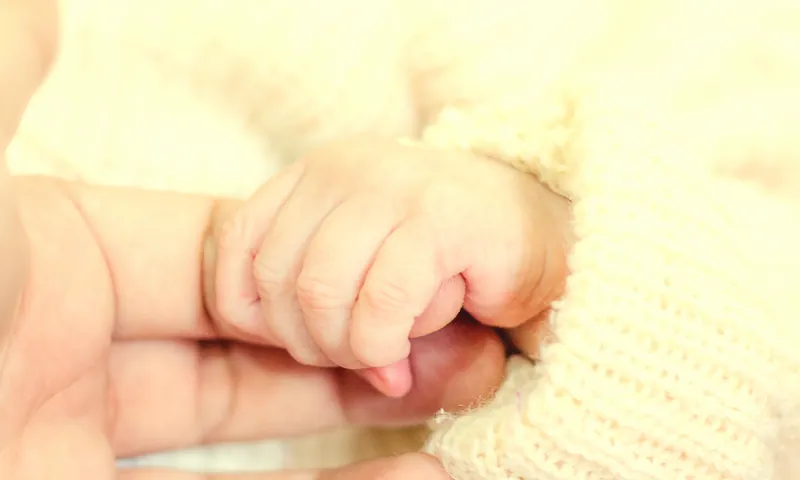
Beginning of Life
Prenatal testing, reproductive technologies, IVF, surrogacy, embryonic questions, and pregnancy-related ethical concerns.
From the Catechism
Human life must be respected and protected from the moment of conception (CCC 2270–2275). Pope St. John Paul II’s encyclical Evangelium Vitae (The Gospel of Life) proclaims the dignity of every human life at every stage.

End of Life
Ordinary and extraordinary care, nutrition and hydration, hospice, palliative care, cremation, and dying with dignity.
From the Catechism
Those whose lives are diminished or weakened deserve special respect; ordinary care that is due to the sick may not be legitimately interrupted (CCC 2276–2279). The USCCB Ethical and Religious Directives for Catholic Health Care Services offer pastoral guidance for accompanying the seriously ill and dying.

Medicine & Healthcare
Catholic moral principles for difficult medical decisions and respect for appropriate medical care.
From the Catechism
The dignity of the human person is rooted in creation in the image of God (CCC 1700). Human life is sacred because from its beginning it involves the creative action of God, and it remains forever in a special relationship with the Creator (CCC 2258). Catholic healthcare seeks to serve that dignity.
Emerging Technology
Questions raised by artificial intelligence, medical innovation, human dignity, and responsible use of technology.
From the Catechism
Moral conscience urges us to do good and avoid evil; a well-formed conscience is upright and truthful (CCC 1776–1794). New technologies call for careful discernment so that human dignity remains the measure of what we create and how we use it.
Ministry experience:
Marianne is consecrated in the Catholic Church (as a Consecrated Virgin) and lives a life of dedicated prayer and service to the people of God. She has been a clinician for 30+ years and has acquired extensive pastoral experience ministering to suffering humanity. In her role as Diocesan Director of Pastoral Care, she has ministered to the sick and homebound, led retreats and formation seminars, led communion services, organized funerals and bereavement/grief support groups and provided spiritual direction. As a Hospital and Hospice Chaplain she has ministered to the sick and suffering patients in trauma 2 critical care, to parents suffering the loss of miscarriage and prolonged hospitalization of their babies in the NICU, to terminally ill patients in hospice and grieving family members as well as to inmates at various women’s prisons.
Marianne has been part of Hospital Bioethics Committees and participated in international medical and pastoral missions throughout the Caribbean, Central America and the Philippines.
ACADEMIC CREDENTIALS:
- BA Sociology, Counseling Concentration -Bucknell University
- MS Physical Therapy – University of Miami
- MA Theology, Concentration in Moral Theology & Bioethics
- 2-year Graduate Diploma, Personalistic Bioethics – Rome, IT
- 4 CPE unit, Chaplain Residency, Baton Rouge General, LA
- Certifications: Board Certified Chaplain (BCC), EMDR
Certified Spiritual Director, Certified Health Coach (CHC)
For further reading, including the National Catholic Bioethics Center,
see our Catholic Bioethics Resources.
“So God created man in his own image,
in the image of God he created him;
male and female he created them.”
— GENESIS 1:27